

If you're an ADHD parent navigating the school system for a child who also has ADHD, you already know how exhausting it is. The meetings, the forms, the feeling of constantly having to advocate — all while managing your own executive function challenges.
The government's latest SEND (Special Educational Needs and Disabilities) policy update includes several provisions that directly affect children with ADHD, and it's worth understanding what's changed.
What's new?
The updated framework places greater emphasis on early identification of neurodevelopmental conditions in primary school settings. Schools are now expected to implement universal screening approaches rather than waiting for parents or teachers to raise concerns. For ADHD specifically, this means the days of "they're just being naughty" should, in theory, be numbered.
The reforms also introduce a new category of support between standard classroom provision and a full Education, Health and Care Plan (EHCP) — recognising that many children with ADHD need more than nothing but less than the full statutory assessment process.
What does this mean in practice?
In practice, implementation will vary by local authority and by school. But the policy direction is clear: earlier identification, more flexible support options, and less gatekeeping.
If you're a parent navigating this system, document everything. Keep a folder — digital or physical — with assessments, emails, and meeting notes. And remember that you are your child's best advocate, even on the days when your own brain makes that feel impossible.
You're not just navigating a system. You're changing the trajectory of your child's life. That matters more than any policy document.
If this resonated with you…
This is the work I do in 1:1 coaching — moving you from self-blame to self-understanding, and from treading water to finally living YourADHD.Life.
The Your SHINE Journey programme is 6 months of deep, personalised coaching for late-diagnosed women who are ready to stop managing and start living. No scripts, no one-size-fits-all. Just real work, built around your brain.
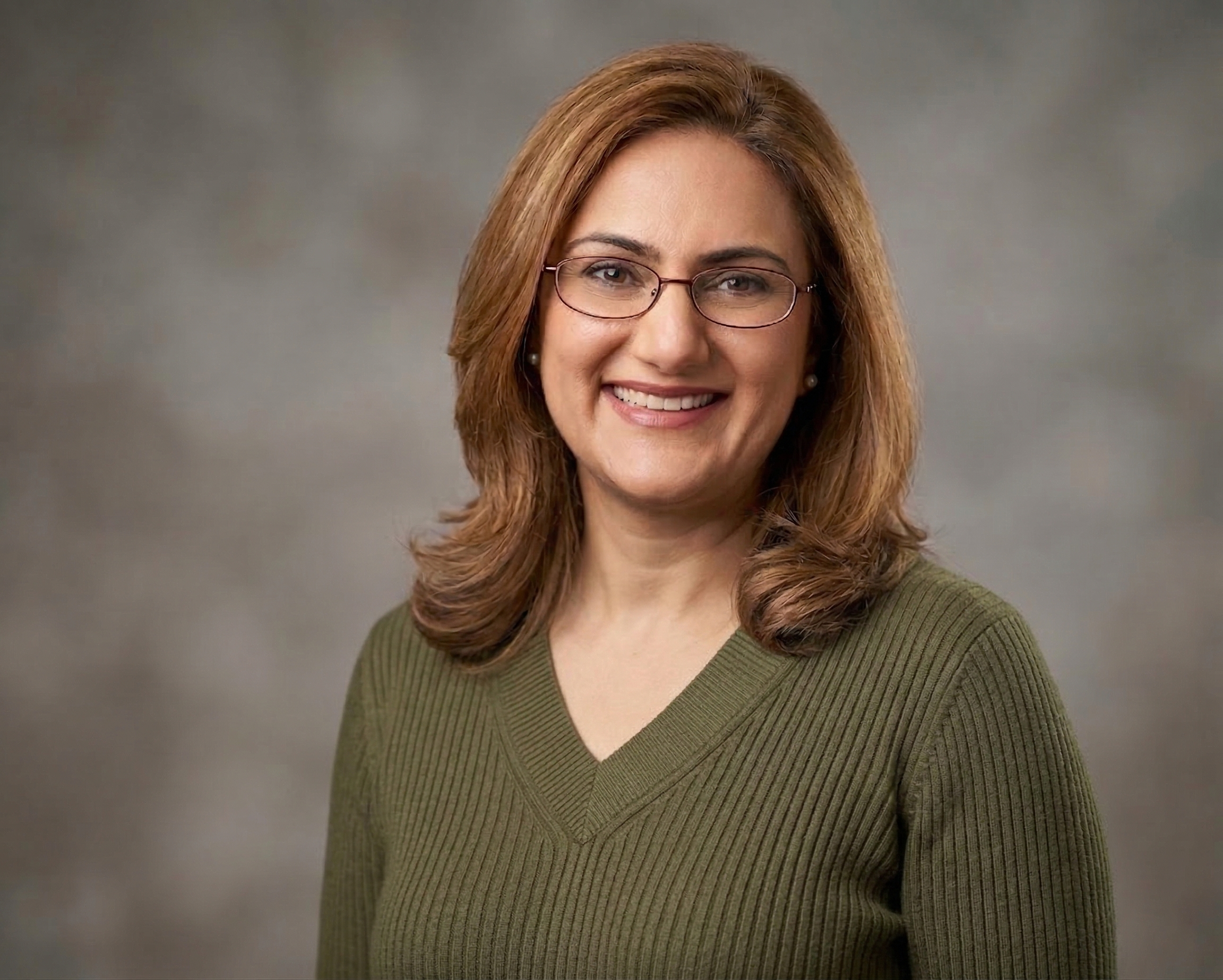
Nishia Wadhwani
ADHD Coach
ADHD Coach and founder of YourADHD.Life. Late-diagnosed herself, she works with women navigating the reality of ADHD in midlife — the career, the relationships, the identity shifts, and the "what now" that nobody prepared them for.
Learn more about me →