You know that feeling. The one where it suddenly makes sense — there's a reason everything has always felt this hard. And then you find out there is. But nobody tells you what to do next.
You're not imagining it. And you're not alone. The numbers just proved it.
ADHD Summary
The House of Commons Library updated its ADHD statistics briefing on 28 March 2026. The numbers tell a story that many women already know in their bones — ADHD in women is finally being recognised, but the system that's supposed to help can't keep up.
Key facts
- ADHD diagnoses among women aged 31–49 rose 694% over five years (IQVIA data)
- Up to 2.76 million people in England may be waiting for an ADHD assessment (as of December 2025)
- 562,450 people have open referrals through mental health services alone
- 61.6% of adults on waiting lists have been waiting over a year
- Women now represent 41.6% of identified ADHD patients (up from a fraction a decade ago)
What this means for you: If you're waiting for an assessment — or you've already had one and were handed a diagnosis with no roadmap — you're part of a generation of women who were missed for decades. Understanding your brain doesn't have to wait for a formal letter. Take the ADHD Wheel of Life →
Why are so many more women being diagnosed with ADHD in their 30s and 40s?
ADHD diagnoses recorded in primary care among women aged 31 to 49 rose by 694% over five years, from 18,000 to 141,000 recorded events, according to IQVIA's Longitudinal Patient Data — the most pronounced increase of any demographic group in the UK.
This isn't a trend. It's a correction.
For decades, ADHD was "naughty boy syndrome." The diagnostic criteria were built around that picture. Girls who daydreamed through lessons, who coped by overworking, who masked their struggles with perfectionism — they didn't fit the model. So they were missed.
By the time many of these women reached their 30s and 40s, they'd collected other labels instead. Anxiety. Depression. Burnout. Sometimes all three. IQVIA's data shows that GP-recorded ADHD events among women increased by 389% overall — nearly four times faster than the 118% increase among men. What changed wasn't the women. What changed was the recognition.
A 2026 Lancet Regional Health study across five European countries confirmed the same pattern: the UK showed the greatest increase in ADHD medication use among adults, with the sharpest growth among women. This isn't a British phenomenon — it's a global recalibration. But the UK data is the starkest.
And here's what matters if you're reading this and nodding: a 694% rise doesn't mean ADHD is suddenly more common. It means it was always there, and it was always being missed.
2000s
2022
How many people are waiting for an ADHD assessment in England?
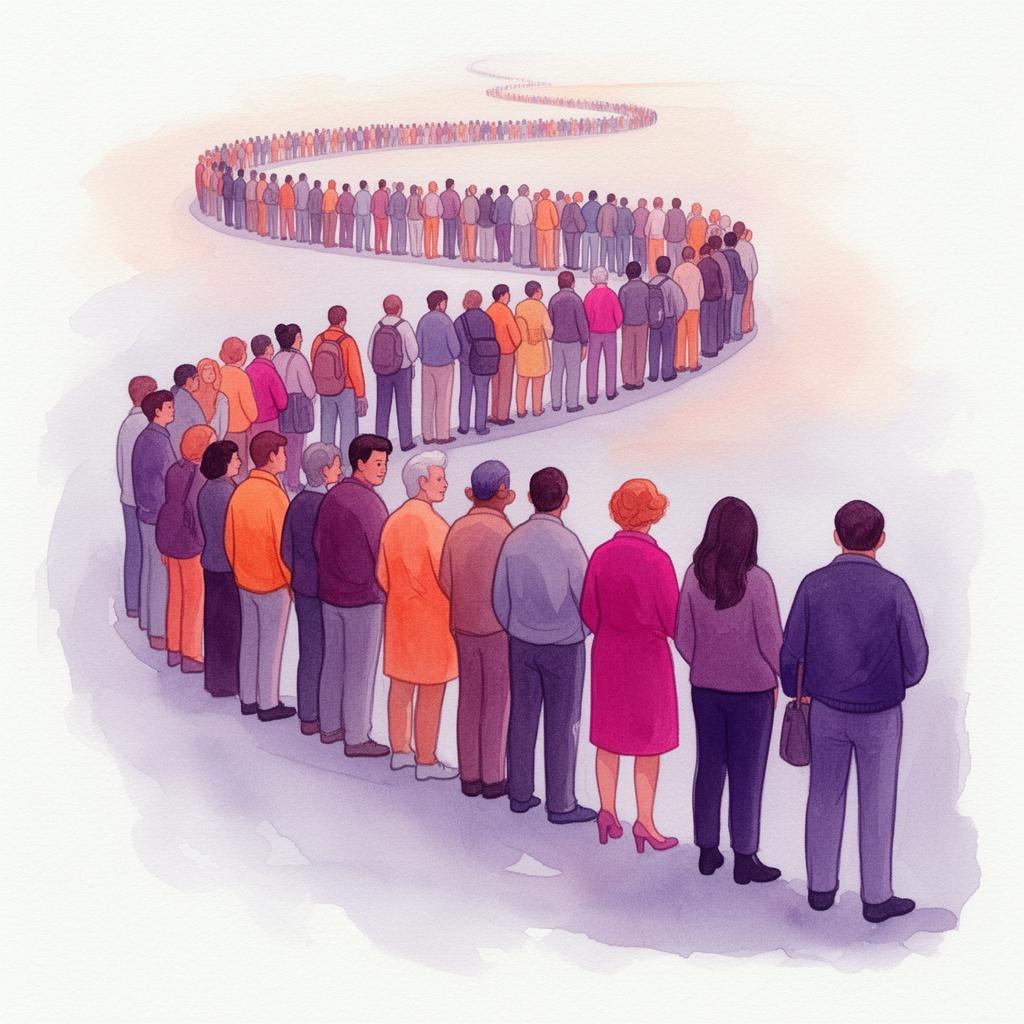
Up to 2.76 million people may have been waiting for an ADHD assessment in England at the end of December 2025, according to House of Commons Library analysis of NHS Digital data — comprising 562,450 open referrals through mental health services and an estimated 2.2 million through community health services.
Let that number land for a moment. 2.76 million.
Source: House of Commons Library, CBP-10551
Of the 562,450 people with open referrals in mental health services, 70.6% (nearly 400,000) are adults. And 61.6% of those adults have been waiting for over a year. In some parts of the country, waits stretch to three, five, even ten years. Leeds has paused referrals entirely. Herefordshire and Worcestershire have estimated waits of over ten years.
NHS Digital estimates that approximately 2.5 million people in England have ADHD, based on NICE prevalence rates of 3–4% in adults and 5% in children. That means the number of people potentially waiting for assessment is larger than the estimated total number of people with the condition. The system isn't just slow — it's structurally overwhelmed.
There's a significant gap in the data, though. NHS Digital does not currently publish sub-national ADHD waiting time data. There is no official breakdown by region, trust, or integrated care board. The regional figures that circulate (and they vary wildly) come from provider reports, FOI requests, and third-party audits. This means the true picture is almost certainly worse than what the data shows, because the data itself is incomplete.
Even the one route designed to shorten waits is now under strain. Right to Choose is an England-only NHS policy that lets your GP refer you to an approved private provider for a free assessment. It was a lifeline for many people stuck on multi-year NHS waiting lists. But since late 2025, multiple integrated care boards have restricted or paused Right to Choose activity after exceeding their budgets. At least nine ICBs instructed providers to stop booking new assessments before April 2026.
Coventry and Warwickshire blocked Right to Choose referrals for adults over 25. In Norfolk and Waveney, a provider was dissolved entirely. The system designed to relieve pressure on the main system is now buckling under its own demand.
The postcode lottery: find your area
NHS standard pathway vs Right to Choose · Compiled from multiple sources, March 2026
The government launched an independent review of mental health, ADHD, and autism services in December 2025, acknowledging that demand has outstripped capacity. NHS Digital has indicated its ADHD data will move to official statistics standards in 2026/27. Until then, meaningful year-on-year comparisons remain impossible.
What is clear, even with those caveats: millions of people are in limbo. Knowing something might be different about their brain but having no formal pathway to find out.
What can I do while waiting for an ADHD assessment?
ADHD coaching, self-awareness tools, and practical brain-first strategies are available right now, whether you're pre-referral, mid-wait, recently diagnosed, or years past diagnosis with no follow-up support. You do not need a formal assessment to start understanding how your brain works.
This is the part that nobody says clearly enough: the waiting list is not a holding pattern. Your life is happening now, and so are the struggles that made you seek an assessment in the first place. You can start making sense of them today.
Start by learning how your brain actually works. Not from a textbook. From someone who gets it. Why do certain things drain you while others light you up? Why do the strategies that work for everyone else never quite work for you? Why does rejection hit so hard, and why does the way you manage energy look nothing like what you were taught?
You can explore tools like the ADHD Wheel of Life to see where you are right now: which areas of your life are working and which are draining you. You can read about how coaching supports women with ADHD at every stage of the process. And if you want to talk it through, you can book a free discovery call. No diagnosis required.
If you've already been diagnosed, you might recognise the feeling of being handed a name for everything that confused you — and then being sent home. No coaching. No guidance on how to restructure your day, your relationships, your career. No one explaining what comes next. That gap between diagnosis and actually knowing what to do with it is exactly why I do what I do.
The system may be years away from reaching you. But understanding yourself doesn't have to wait that long.
I read these numbers and I feel two things at once. Relief that women are finally being found. And anger that the system still can't hold them once they are.
694% more women are finally being counted. 2.76 million people are waiting. The system is catching up on decades of missed diagnoses, and it's buckling under the weight.
But you don't have to wait for the system to be ready in order to start understanding yourself.
This is the work I do — moving you from self-blame to self-understanding, and from treading water to finally living YourADHD.Life.
Sources
- House of Commons Library, "FAQ: ADHD statistics (England)," CBP-10551, updated 28 March 2026
- IQVIA, "ADHD in the UK: Navigating Diagnosis, Demand, and Digital Disruption," February 2026
- NHS Digital, "ADHD Management Information," various releases 2025–2026
- Lancet Regional Health – Europe, "Trends in use of ADHD medications," January 2026
- GOV.UK, "Review launched into mental health, ADHD and autism services," December 2025
- Centre for Mental Health, NHS Benchmarking Survey, December 2025
- Special Needs Jungle, "ADHD and Autism Right To Choose referrals paused," November 2025
- ADHD 360, "Right To Choose Wait Times and ICB Allowances," March 2026
- Clinical Partners, "NHS Right to Choose wait times and updates," March 2026
If this resonated with you…
This is the work I do in 1:1 coaching — moving you from self-blame to self-understanding, and from treading water to finally living YourADHD.Life.
The Your SHINE Journey programme is 6 months of deep, personalised coaching for late-diagnosed women who are ready to stop managing and start living. No scripts, no one-size-fits-all. Just real work, built around your brain.
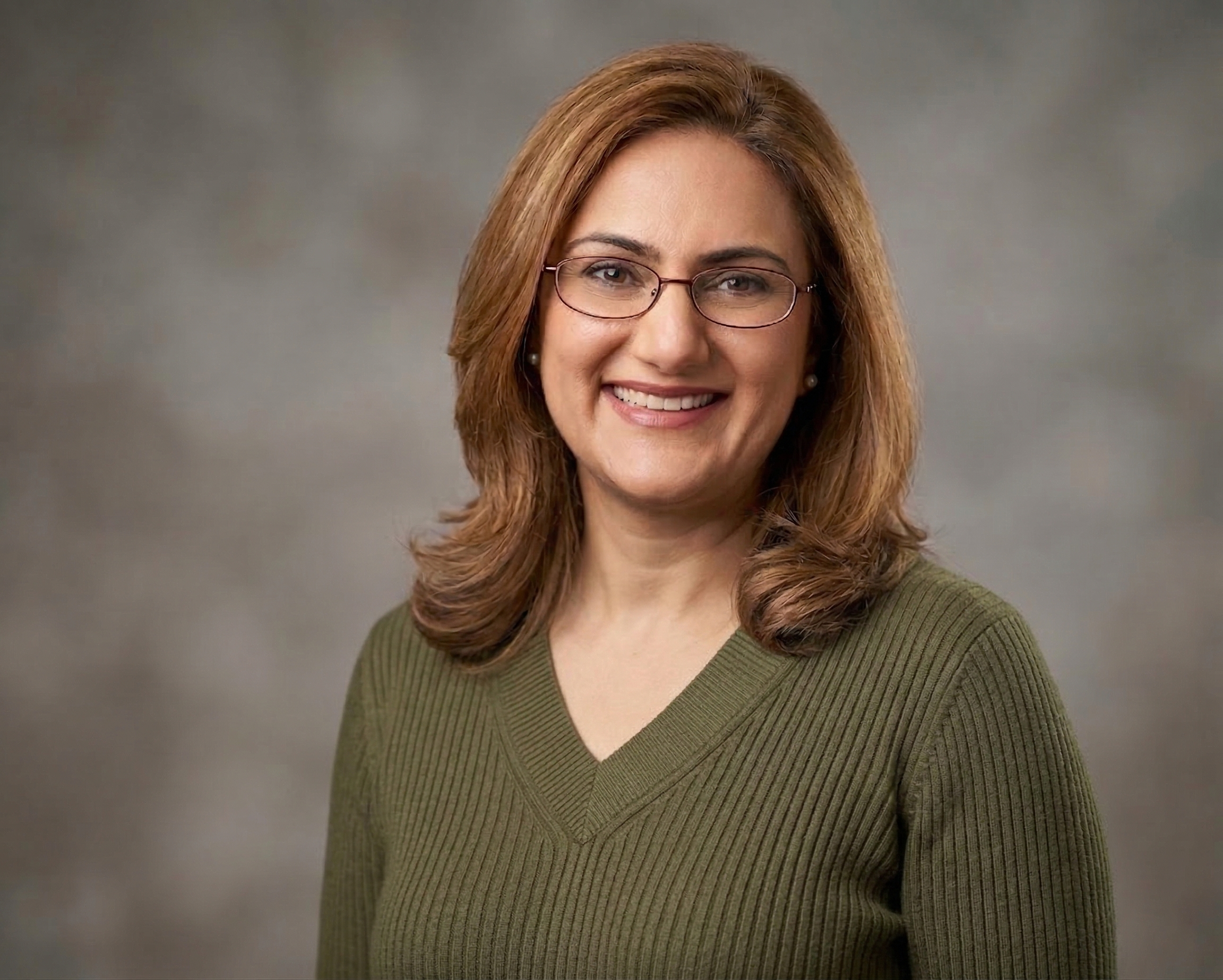
Nishia Wadhwani
ADHD Coach
ADHD Coach and founder of YourADHD.Life. Late-diagnosed herself, she works with women navigating the reality of ADHD in midlife — the career, the relationships, the identity shifts, and the "what now" that nobody prepared them for.
Learn more about me →