How many times have you caught yourself doom scrolling and thought: what is wrong with me? Why can't I just stop?
If you have ADHD, yesterday's landmark court verdict might just answer that question.
What did the Meta and YouTube social media addiction verdict find?
A California jury found Meta and YouTube liable on all counts for deliberately designing their platforms to addict young users, awarding the plaintiff $6 million in damages. The case centred on a 20-year-old woman who began using Instagram and YouTube as a child and developed depression, body dysmorphia, and compulsive use as a result. Jurors assigned Meta 70% of the responsibility and YouTube 30%.
This is the first of more than 1,500 similar cases to reach a verdict. It is being compared to the 1990s legal action against Big Tobacco — the litigation that forced that industry to stop targeting minors. You can read the BBC's report on the Meta and YouTube social media addiction verdict in full.
Why does social media affect ADHD brains more than neurotypical brains?
ADHD is a dopamine regulation disorder, not a willpower problem. The ADHD brain seeks novelty, interest, and stimulation continuously — driven by neurological wiring, not personal choice. Social media platforms use variable reward mechanisms, such as infinite scroll, unpredictable content, and notification alerts, to exploit this wiring directly.
The mechanism is identical to a slot machine: variable rewards delivered at the speed of a thumb swipe. For neurotypical users, this design is compelling. For ADHD brains, it produces compulsive use that feels impossible to interrupt from the inside, regardless of how much the person wants to stop.
What did Meta's internal documents reveal about how the platforms were designed?
Meta's internal documents showed executives knew their platforms disproportionately hooked younger users. One internal memo noted that 11-year-olds were 4 times as likely to return to Instagram compared with competing apps, despite the minimum age being 13. A second document referenced the company's strategy to "win big with teens" by targeting children as young as tweens.
This is the language of deliberate design — engineering return, maximising time on platform, and optimising for compulsive use — not the language of a neutral product.
What is the UK doing in response to social media addiction in children?
The UK government launched a consultation on children's social media use in January 2026, including the option of banning social media for under-16s — and it closes today, 26 March 2026. The consultation, titled "Growing Up in the Online World," follows the Online Safety Act 2023 and reflects growing government concern about platforms designed to maximise children's time on screen. The Prime Minister has announced new legal powers to act swiftly on the findings, without waiting for new primary legislation. A government response is expected in summer 2026.
In Parliament, the Technology Secretary described social media as having created "an anxious generation hooked by products designed to be addictive, displacing real-world activity and undermining attention, emotional regulation and mental health." Ofcom statistics show that 37% of children aged 3 to 5 in the UK are already using social media.
The US verdict and the UK consultation are happening in parallel — and together they signal that the question of platform accountability is no longer theoretical on either side of the Atlantic.
If you want your voice to be heard, the consultation closes at 11:59pm tonight. You can respond at gov.uk — Growing Up in the Online World consultation.
What does this verdict mean for women with ADHD who struggle with social media?
The verdict confirms that the struggle with social media was never a character flaw — it was a neurological reality being actively exploited by platform design. Late-diagnosed women have spent years, decades in many cases, blaming themselves for having no self-control, no discipline, no ability to put their phone down. The platforms were built to make stopping difficult, and ADHD brains are more susceptible to exactly those mechanisms.
The shift this creates is not about the platforms. It is about the story — moving from "what is wrong with me?" to "now I understand myself." Understanding the why behind the struggle is the first step to doing something about it, from a place of curiosity and self-compassion rather than shame.
And that shift is everything.
If this resonated with you…
This is the work I do in 1:1 coaching — moving you from self-blame to self-understanding, and from treading water to finally living YourADHD.Life.
The Your SHINE Journey programme is 6 months of deep, personalised coaching for late-diagnosed women who are ready to stop managing and start living. No scripts, no one-size-fits-all. Just real work, built around your brain.
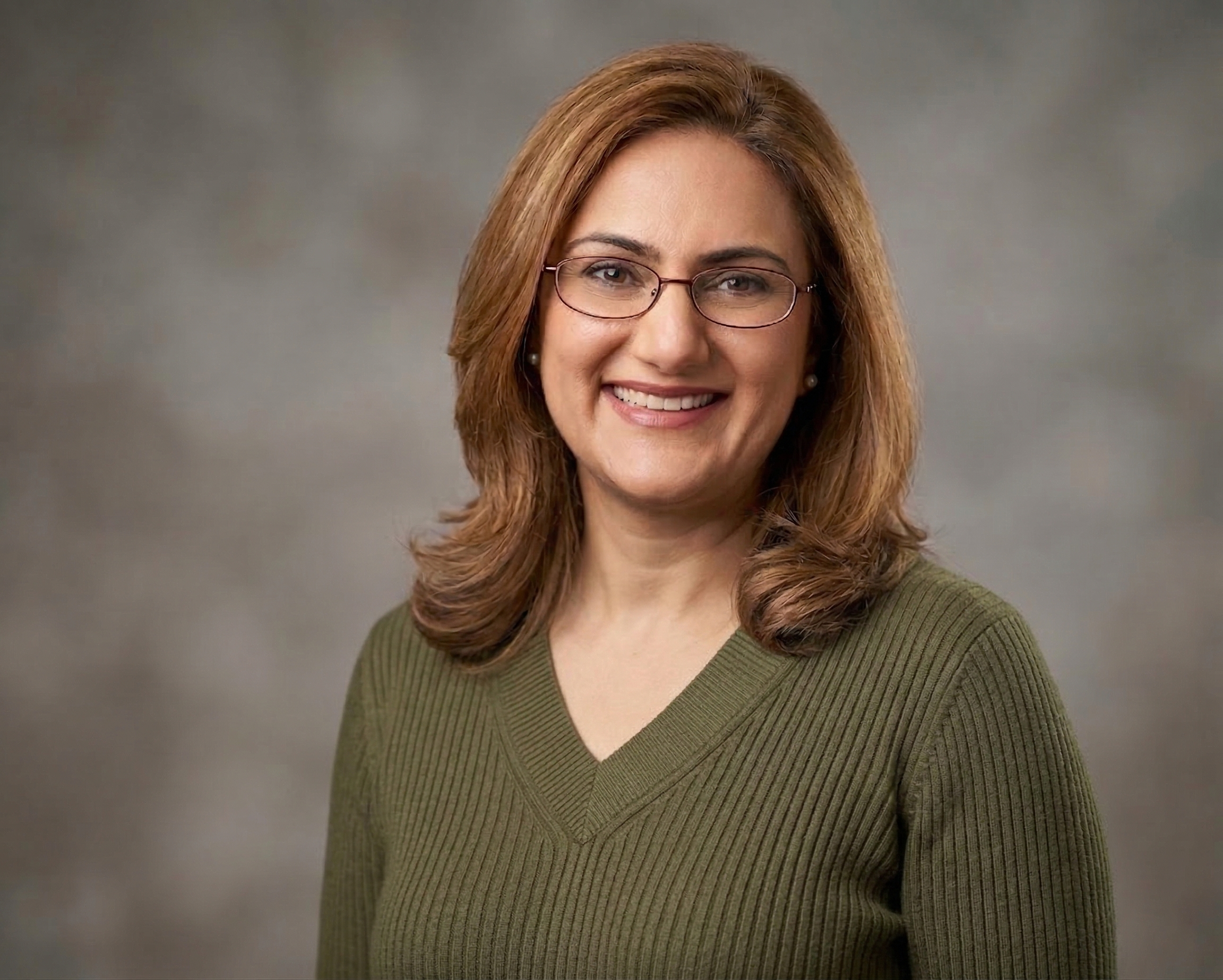
Nishia Wadhwani
ADHD Coach
ADHD Coach and founder of YourADHD.Life. Late-diagnosed herself, she works with women navigating the reality of ADHD in midlife — the career, the relationships, the identity shifts, and the "what now" that nobody prepared them for.
Learn more about me →