I'm Nishia
An ADHD coach with ADHD. I am the "what now."
I was late-diagnosed, went through the endless NHS waitlist, got an assessment that gave me a label and medication but no roadmap — and spent years figuring out how to live with my brain on my own. My clients don't have to.
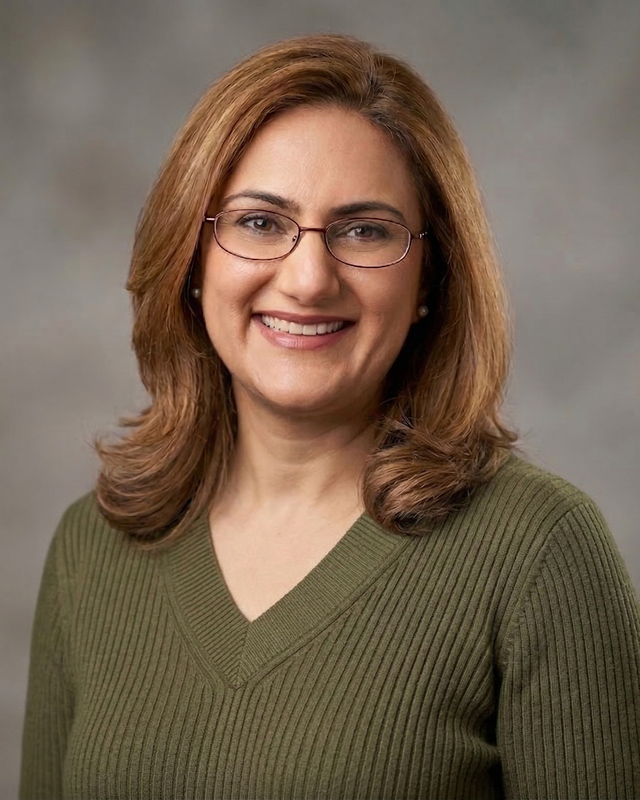
My Story
I was diagnosed with ADHD at 42. Before that, I spent decades wondering what was wrong with me. Why I could be brilliant at some things and completely useless at others. Why I was always, always tired. Why "just use a planner" never worked, no matter how many times I tried.
When I finally got my diagnosis — after years on the NHS waitlist — I expected answers but what I got was a label and medication. No one explained what ADHD actually meant for my life. No one said "here's what to do now..." I had to figure it all out on my own — all while going through a separation, losing my father, and navigating menopause, at the same time.
So I became an ADHD coach. Because no woman should have to do that alone.
My deep desire is to help women in a way I wasn't helped — so they don't have to navigate the minefield that is ADHD on their own.
What Makes My Coaching Different
Part education, part coaching, all human
I Hold the Whole Picture
Late diagnosis tangled with perimenopause. ADHD tangled with trauma. Decades of coping strategies that worked until they collapsed. I don't simplify you down to a manageable problem.
I Help You Discover, Not Just Learn
I'm not handing out tools — I'm helping you discover understanding, strategies, and self-appreciation. That's why it sticks. You leave with something that's yours.
I Offer What the System Didn't
The NHS gave you a label and medication. No roadmap. No explanation. No "what now." I am the "what now." I know exactly what's missing because I lived without it.
I Make the Strengths Visible
Most ADHD support focuses on managing the hard parts. I also help you see what ADHD gives you. Shifting from "what's wrong with me?" to "what's brilliant about me?" changes everything.
What Actually Happens When We Work Together
Understanding
I guide you to see why your brain does what it does. Not as a teacher handing out facts, but as someone who helps you connect the dots for yourself. When you understand that your procrastination isn't laziness — it's fear, or perfectionism, or overwhelm — everything shifts.
Systems
Together, we build strategies that actually work for how you think. Not neurotypical frameworks forced onto a neurodivergent brain, but approaches designed around your wiring.
Identity Shift
This is the bit that surprises people. You come in thinking you need to be fixed. You leave understanding you were never broken. That shift — from "what's wrong with me?" to "what's brilliant about me?" — is where the real change happens.
And I don't stop at strategies. There's so much more that can help beyond medication: practical tools, nutrition, mindfulness, meditation, breathwork. I support the whole person, not just manage the symptoms.
Where are you right now?
That's the question I ask every client in our first session. The Wheel gives you the same starting point - where you stand across the ten areas ADHD touches most, and a personalised reflection for each one.That's the question I ask every client in our first session. The Wheel gives you the same starting point - where you stand across the ten areas ADHD touches most, and a personalised reflection for each one.