When people think of ADHD, they think of distractibility, impulsivity, hyperactivity. What they don't think about — and what often causes the most pain — is emotional dysregulation.
Big emotions. Intense reactions. The feeling that everything is turned up to eleven. The rage that comes from nowhere. The rejection sensitivity that makes a casual comment feel like a personal attack. The overwhelming joy that makes you want to reorganise your entire life around a new hobby you discovered three hours ago.
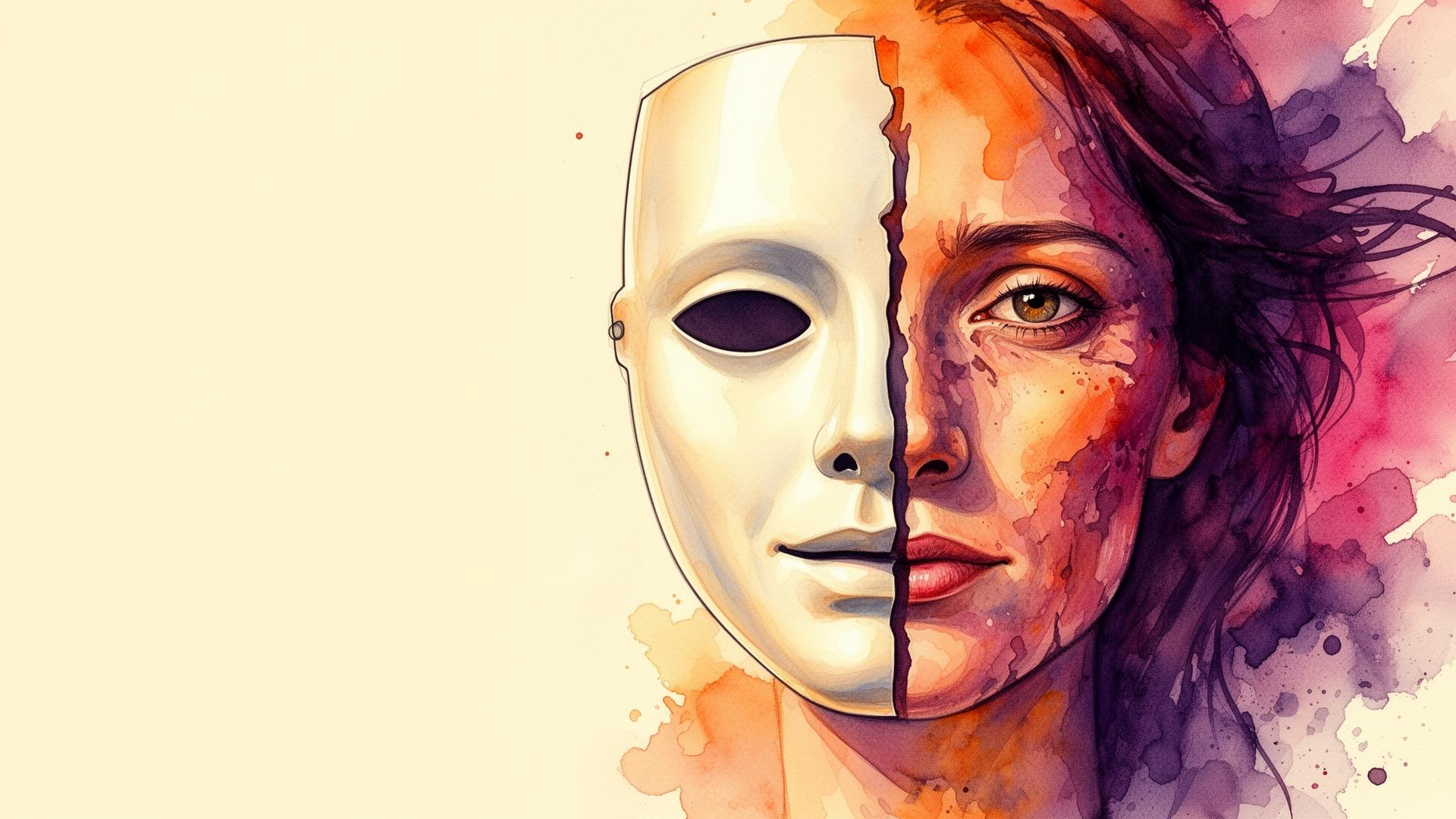
This is ADHD. And for women in particular — women who've spent decades masking, controlling, containing — emotional dysregulation is often the thing that finally brings everything crashing down.
Emotional regulation is managed by the same prefrontal cortex that handles attention and impulse control. When that part of your brain works differently, emotions don't just feel big — they are big. You're not being dramatic. You're not overreacting. Your brain is literally processing emotions differently.
Understanding this is the first step. The second is building a toolkit: breathwork, mindfulness, sensory grounding, movement. Not to suppress your emotions, but to give yourself a pause — a space between the feeling and the reaction.
Your emotions aren't the enemy. They're information. And learning to read them is one of the most powerful things you can do.
If this resonated with you…
This is the work I do in 1:1 coaching — moving you from self-blame to self-understanding, and from treading water to finally living YourADHD.Life.
The Your SHINE Journey programme is 6 months of deep, personalised coaching for late-diagnosed women who are ready to stop managing and start living. No scripts, no one-size-fits-all. Just real work, built around your brain.
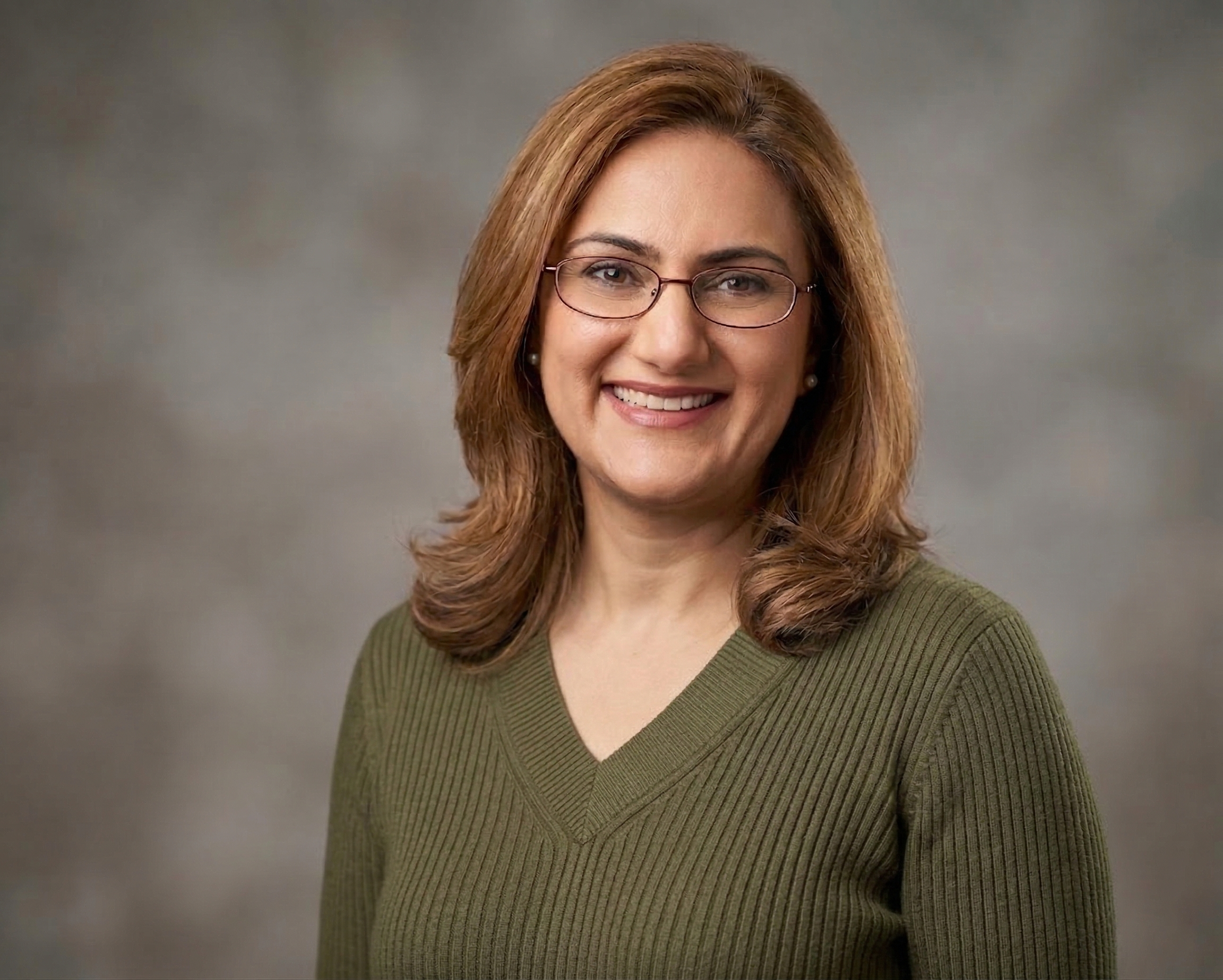
Nishia Wadhwani
ADHD Coach
ADHD Coach and founder of YourADHD.Life. Late-diagnosed herself, she works with women navigating the reality of ADHD in midlife — the career, the relationships, the identity shifts, and the "what now" that nobody prepared them for.
Learn more about me → Back to Mental Health & Emotions