For decades, ADHD was considered a condition that affected hyperactive boys. The research was done on boys. The diagnostic criteria were built around boys. And millions of girls — now women — were left undiagnosed, unhelped, and quietly blaming themselves.
Here are five myths that still keep women from getting the support they deserve.
Myth 1: "ADHD means you're hyperactive." Many women with ADHD are predominantly inattentive. They're not bouncing off walls — they're daydreaming in meetings, losing track of conversations, and forgetting why they walked into a room. Hyperactivity in women often shows up internally: racing thoughts, restlessness, an inability to switch off.
Myth 2: "You did well at school, so it can't be ADHD." Plenty of women with ADHD excelled academically — through sheer willpower, anxiety-driven perfectionism, and an unsustainable level of effort. High achievement doesn't rule out ADHD. It often masks it.
Myth 3: "Everyone struggles with organisation sometimes." True. But there's a difference between occasionally misplacing your keys and consistently failing to manage the basic logistics of daily life despite desperately wanting to. ADHD isn't about occasional forgetfulness — it's a persistent pattern that affects every area of your life.
Myth 4: "You'd have been diagnosed as a child if you really had it." Not if you were a quiet girl who masked well, compensated constantly, and flew under the radar because you weren't disruptive. The system wasn't looking for you.
Myth 5: "ADHD is just an excuse." This is perhaps the most damaging myth of all. ADHD is a neurodevelopmental condition with a strong genetic basis. It's not a character flaw, a lack of willpower, or a trendy label. It's real. And understanding it can change your life.
If any of this resonates, you're not imagining it. And you deserve answers.
If this resonated with you…
This is the work I do in 1:1 coaching — moving you from self-blame to self-understanding, and from treading water to finally living YourADHD.Life.
The Your SHINE Journey programme is 6 months of deep, personalised coaching for late-diagnosed women who are ready to stop managing and start living. No scripts, no one-size-fits-all. Just real work, built around your brain.
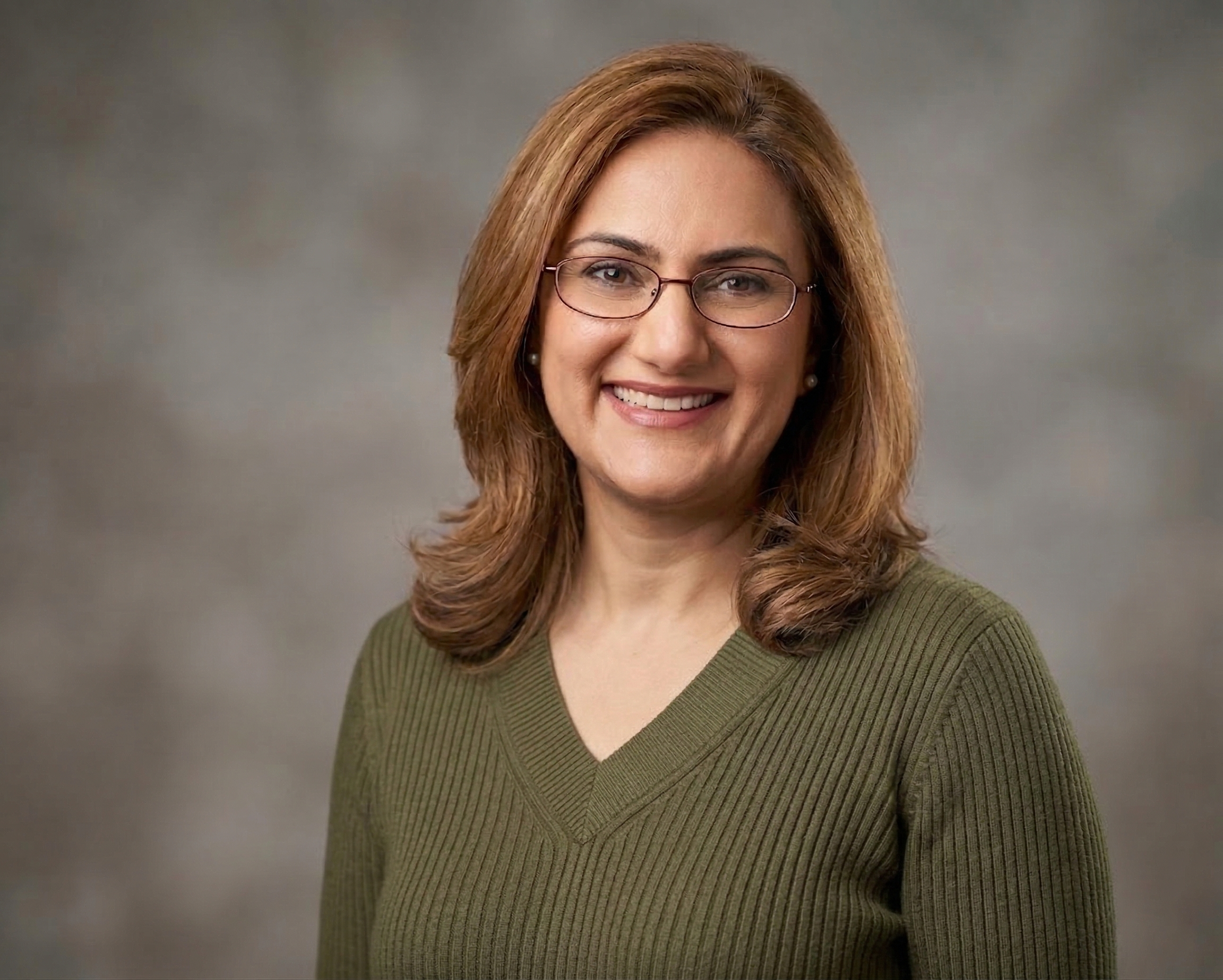
Nishia Wadhwani
ADHD Coach
ADHD Coach and founder of YourADHD.Life. Late-diagnosed herself, she works with women navigating the reality of ADHD in midlife — the career, the relationships, the identity shifts, and the "what now" that nobody prepared them for.
Learn more about me →